
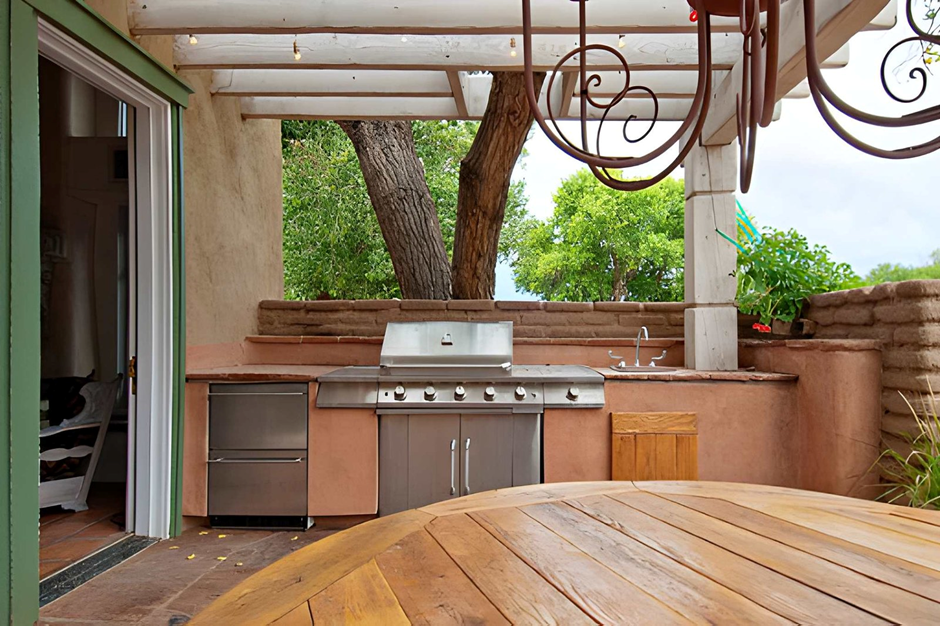

Installing a BBQ oven inside a built-in outdoor kitchen can feel a little intimidating at first, not going to lie. There is excitement, of course, because you are imagining all those weekend cookouts already. But then reality kicks in: measurements, safety gaps, heat protection, well, it is a bit of a process.
The good news? Once you understand the basics, it is actually very manageable. Let us walk through it step by step so nothing important gets missed.
Always Measure First
This might sound simple, but it is the step people mess up most often. Guessing does not work here.
You should carefully check:
- The exact width, height, and depth of your BBQ oven
- Lid opening space (this one gets forgotten a lot)
- Clearance around the sides for airflow
- Distance from walls or cabinets
A snug fit might look nice, sure, but ovens need breathing room. Without that space, heat can build up where it should not, and that is not something you want to discover mid-cook.
Build a Strong, Heat-Safe Base
The base of a BBQ oven must be solid, not decorative, first.
Good material choices include:
- Concrete or masonry blocks
- Natural stone countertops
- Metal framing structures
- Heat-resistant tiles
Avoid placing the oven directly on untreated wood. If wood is part of the design, a proper heat barrier and ceramic feet are necessary. Safety first, aesthetics second. Always.
Getting the Position Just Right
Where you place the oven can affect both safety and cooking performance. It is not just about convenience.
Keep these things in mind:
- Leave enough space behind the oven for airflow
- Make sure the unit sits perfectly level
- Use ceramic feet when installing over wood or built-in surfaces
- Secure the surrounding structure to prevent any movement
A small tip: open and close the lid a few times after placement. If anything shifts even slightly, adjust it before moving on.
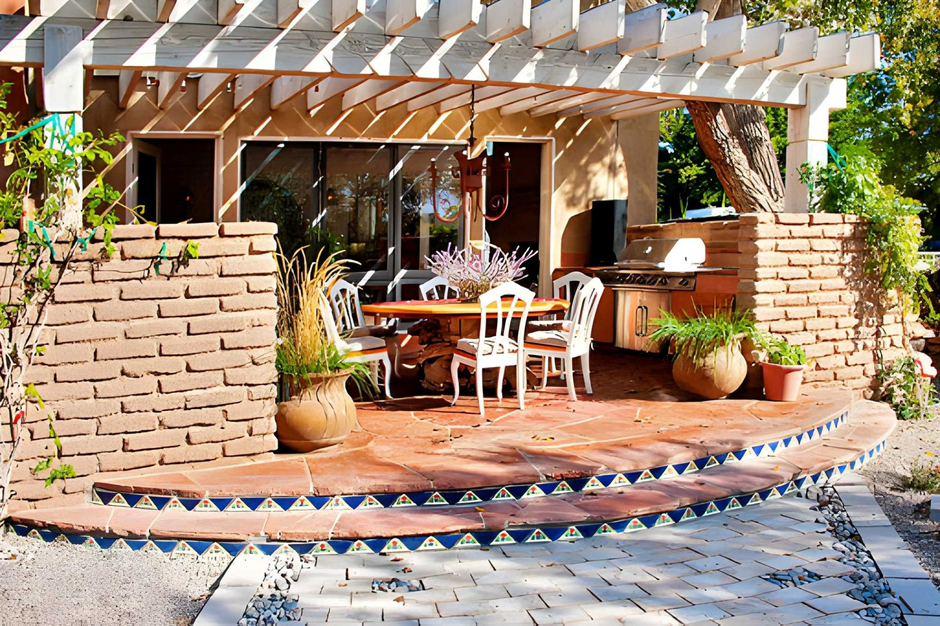
Why Built-In BBQ Ovens Are So Popular
Temperature stability is one of the main reasons people invest in a built-in ceramic oven. The ceramic walls are thick and thus absorb, store, and dissipate heat gradually. This implies that in case of weather changes, the temperatures do not fall abruptly. Also, you will find better fuel economy, as airtight construction allows charcoal to burn longer and produces a clean, balanced smoked flavour.
Many outdoor kitchen setups now feature a Kamado Joe built-in kitchen unit because it integrates neatly into counters while offering precise airflow control and consistent performance year-round. Some homeowners even mention that browsing installation examples on BBQs2u web pages helped them understand spacing, materials, and layout ideas much better before starting their own projects.
Final Checks Before First Use
Before lighting that first fire, do a quick safety review:
- Confirm the oven is stable and secure
- Check that the ventilation space is adequate
- Ensure no flammable materials are nearby
- Test airflow vents and controls
Once everything looks good, you are ready. And honestly, that first smoky aroma drifting through your backyard? Totally worth every bit of planning effort.


