
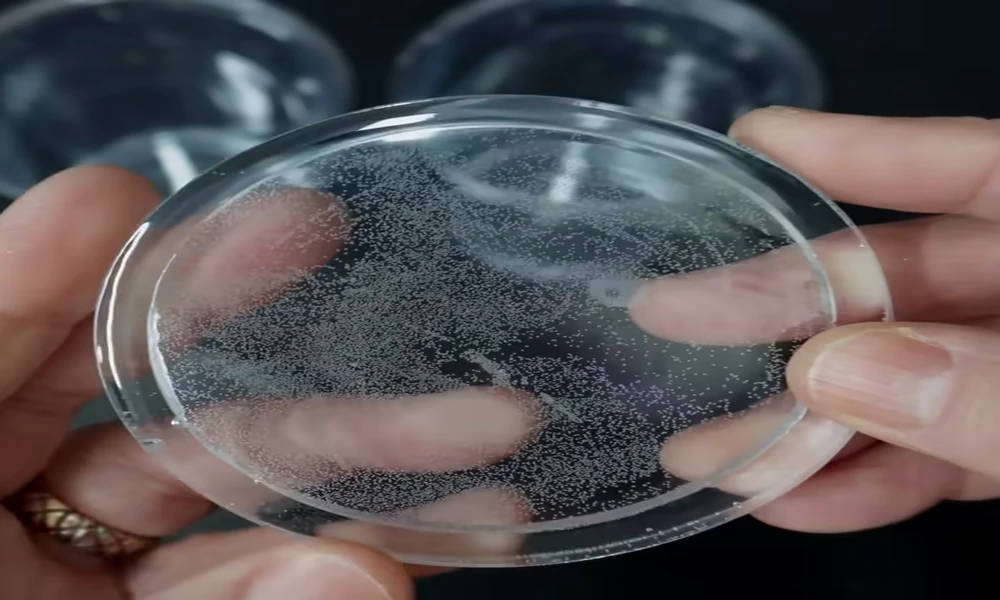

Learn five essential factors to check before buying resin to achieve clearer finishes, reduce yellowing, prevent bubbles, and improve casting results.
A clear Resin finish can make handmade jewelry, decorative pieces, tabletops, molds, and artwork look polished and professional. However, clarity depends on much more than simply mixing two liquids together. The formulation, curing behavior, working time, resistance to yellowing, and even the thickness of the pour can significantly affect the final result.
Before choosing a Resin product, it is worth understanding how these factors influence transparency, bubbles, surface quality, and long-term appearance. Checking the following five points can help reduce common problems and make the material easier to work with from the beginning.
1. Check Whether the Resin Is Designed for Clear Casting
Not every Resin formulation is intended to produce the same type of finish. Some products are designed for coating surfaces, while others are formulated for molds, deep pours, jewelry, or decorative casting.
For projects where transparency is important, look for Resin specifically described as clear casting or crystal-clear Resin. These formulations are generally designed to cure with high optical clarity and minimal cloudiness when they are mixed and poured correctly.
It is also useful to understand the basic characteristics of น้ำยาเรซิ่น (Resin) before selecting a formulation, particularly because different Resin systems can vary in viscosity, curing time, hardness, and recommended applications.
Matching the product to the project is essential. A resin designed for thin coatings may generate excessive heat or cure unpredictably if it is poured into a thick mold, while deep-pour resin may take unnecessarily long to cure when used for a very thin layer.
2. Look for UV and Yellowing Resistance
Yellowing is one of the most noticeable problems with transparent Resin projects. Over time, exposure to ultraviolet light, heat, and environmental conditions can gradually change a clear surface to a warmer or yellowish tone.
When appearance matters, check whether the manufacturer specifies UV resistance, UV stabilizers, or anti-yellowing properties. These features can help slow discoloration, especially for artwork or decorative objects that may be exposed to natural light.
However, UV resistance should not be interpreted as permanent immunity to yellowing. Most clear polymers will change to some degree as they age. Keeping finished Resin pieces away from prolonged direct sunlight and excessive heat can further preserve their clarity.
For outdoor applications, it is particularly important to confirm whether the Resin is actually rated for exterior use rather than relying only on its initial transparency.
3. Consider Viscosity and Bubble Release
Viscosity plays a major role in how easily trapped air escapes from mixed Resin. A lower-viscosity formulation usually allows bubbles to rise to the surface more easily, making it useful for detailed molds, small cavities, and projects with embedded objects.
Thicker Resin can be useful for coating applications because it stays in place more effectively. However, it may trap more air if mixed too aggressively or poured into intricate molds.
The mixing technique matters as much as the product itself. Stir slowly, scrape the sides and bottom of the container, and avoid whipping air into the mixture. After pouring, small surface bubbles may sometimes be removed using an appropriate heat source, provided the manufacturer’s instructions allow it.
Temperature also affects viscosity. Resin that is too cold may become thicker and hold bubbles longer, which is why many products perform more consistently when both components and the working environment are within the recommended temperature range.
4. Review Working Time and Curing Time
Working time, often called pot life, refers to how long the mixed resin remains usable before it begins to thicken. Choosing the right working time is especially important for larger or more detailed projects.
A short pot life can be suitable for small pieces that can be poured quickly. In contrast, complex molds, layered artwork, large tabletops, or projects involving pigments and embedded decorations usually benefit from a longer working time.
Curing time should also be considered separately. A product may become firm within several hours but still require additional time to reach its full hardness and chemical resistance.
Before purchasing, check the manufacturer’s information for pot life, demolding time, full cure time, and recommended temperature. Planning around these specifications can reduce rushed mixing and help prevent uneven surfaces or partially cured areas.
5. Confirm the Mixing Ratio and Recommended Pour Depth
Incorrect mixing is one of the most common reasons Resin remains sticky, soft, cloudy, or unevenly cured. Different products may require ratios such as 1:1, 2:1, or another proportion, measured either by volume or by weight.
Never assume that two Resin systems use the same ratio. Follow the manufacturer’s instructions precisely and use suitable measuring equipment to avoid unnecessary variation.
Maximum pour depth is equally important. Resin generates heat as it cures, and pouring a layer thicker than recommended can cause excessive temperatures, cracking, discoloration, bubbles, or deformation.
For deep molds, choose a formulation specifically intended for deep casting. For shallow artwork or protective finishes, a coating Resin may provide better leveling and faster curing.
Small Preparation Steps Can Improve Resin Clarity
Even a well-formulated Resin can produce disappointing results if the workspace is poorly prepared. Dust, moisture, cold surfaces, and inaccurate measurements can all affect the finish.
Prepare all tools before mixing, ensure molds and containers are clean and dry, and work in a stable environment within the recommended temperature range. If pigments, glitter, dried flowers, or other objects are being added, make sure they are compatible with Resin and free from moisture.
It is also sensible to test a small batch when using a new product, pigment, mold material, or technique. A simple test can reveal curing behavior and color changes before a larger project is committed.
Choosing Resin for a clear finish involves more than checking the price or package size. The most important considerations are the intended application, resistance to yellowing, viscosity, working time, mixing requirements, and permitted pour depth.
Taking a few minutes to review these details before purchasing can prevent many common problems later. When the Resin formulation matches the project and the manufacturer’s instructions are followed carefully, achieving a transparent, smooth, and bubble-controlled finish becomes far more predictable.
For those exploring Resin for art, casting, mold making, or decorative applications, Supersilicon also provides practical information and materials related to Resin and silicone-based projects. Reviewing product specifications and selecting a formulation that suits the intended technique can help creators achieve more consistent results while reducing common issues during mixing, pouring, and curing.


