
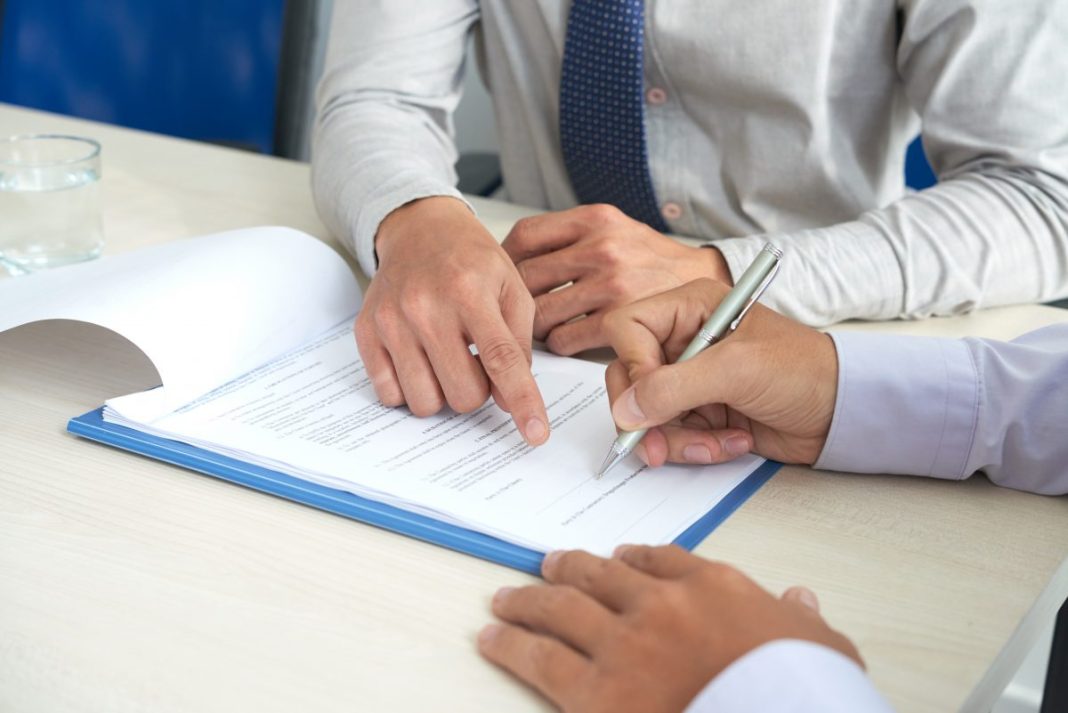

Leasing a property—whether it’s a new apartment, office space, or commercial unit—is a major decision that requires careful planning and attention to detail. Before signing on the dotted line, it’s crucial to make sure everything is in order. A leasing checklist can help ensure you’re not overlooking key details that could lead to complications later. Here’s a comprehensive guide to the essential items you should check before signing a lease.
- Understand the Lease Terms
Start by thoroughly reading the lease agreement. Ensure you understand the length of the lease, the rent amount, due dates, penalties for late payments, and what happens when the lease ends. Check if there are automatic renewal clauses, rent escalation terms, or conditions under which the lease can be terminated early.
- Confirm All Costs
Monthly rent isn’t the only cost to consider. Ask about utilities—are they included in the rent or paid separately? What about water, gas, electricity, internet, and garbage collection? Additionally, verify if there are any upfront fees like security deposits, move-in fees, or pet deposits. Having a clear picture of all costs helps prevent unexpected expenses.
- Inspect the Property Thoroughly
Before signing, walk through the property with the landlord or agent. Document the condition of every room, including appliances, walls, flooring, windows, plumbing, and electrical fixtures. Take photos or videos and request a move-in inspection report. This will help you avoid being blamed for pre-existing damage when moving out.
- Clarify Maintenance Responsibilities
Understand who is responsible for repairs and general maintenance. Will the landlord handle issues like plumbing leaks or broken appliances? Is lawn care or snow removal included? Ensure all responsibilities are clearly outlined in the lease to avoid confusion or disputes later.
- Know the Rules and Restrictions
Some leases have specific rules that may affect your lifestyle. For example, there may be restrictions on painting walls, hanging items, owning pets, smoking, or subletting the unit. These should be clearly stated in the lease. If you need exceptions, get them in writing.
- Check Landlord Credentials
Verify that you’re dealing with a legitimate landlord or property management company. Look up reviews or request references from current or past tenants. This step is especially important if you’re leasing a commercial or investment property.
- Understand the Renewal and Termination Policy
Find out how much notice you need to give if you plan to move out. Also, understand any penalties for early termination. Some leases include a fee, while others require you to find a replacement tenant. Being clear about this helps with planning and avoids financial surprises.
- Get Everything in Writing
Never rely on verbal promises. If the landlord agrees to make a repair or upgrade, ensure it is documented in the lease or an addendum. Verbal agreements are difficult to enforce legally.
Conclusion
Signing a lease is more than just agreeing to live or operate in a space—it’s entering into a legal contract. Taking the time to follow a detailed leasing checklist ensures you protect your rights, understand your responsibilities, and avoid costly mistakes. Always read carefully, ask questions, and don’t hesitate to walk away if something doesn’t feel right.


