
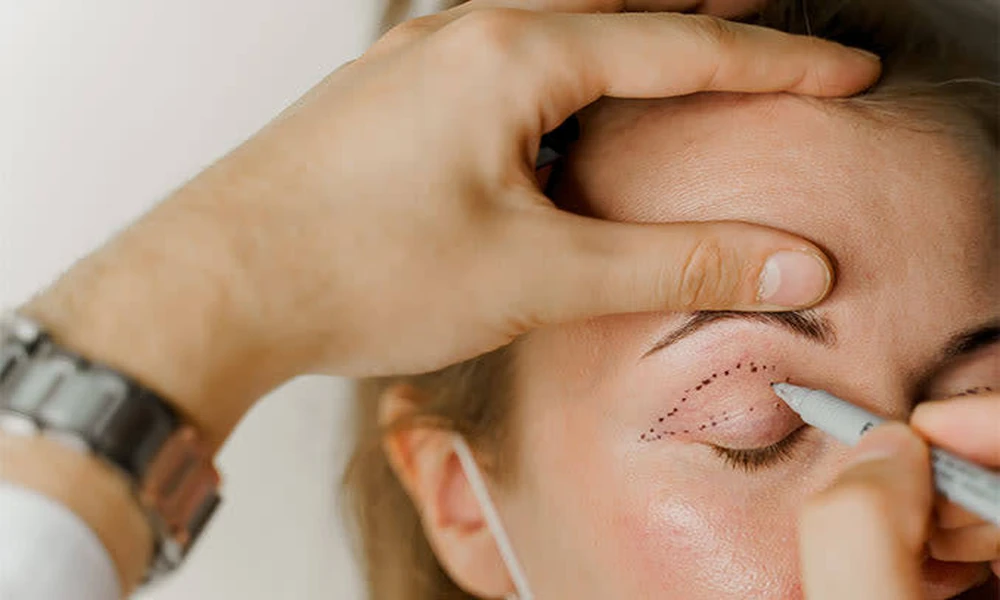

Droopy eyelids, medically known as Ptosis, occur when the upper eyelid falls lower than normal. This condition can have several causes, including issues with the muscles that lift the eyelid, aging, or other underlying factors. Besides affecting the appearance of the eyes, Ptosis may also obstruct vision and cause people to adjust their posture to see more clearly.
Recognizing changes in the eyes can be an important first step. Here are 5 signs that may indicate it is time to have Ptosis evaluated by a doctor, along with key factors to consider before deciding whether Ptosis surgery is right for you.
5 Signs It May Be Time to Treat Ptosis
Ptosis, or droopy eyelids, can affect both your vision and the appearance of your eyes. Here are 5 key signs that may indicate it’s time to seek a medical evaluation and consider treatment.
1. Droopy Eyelids Obstruct Your Vision
When the upper eyelid falls lower than normal, it may obstruct part of your field of vision, particularly the upper field. This can make it difficult to see clearly when reading, driving, or performing certain daily activities. Some people may need to tilt their head upward or raise their eyebrows to improve their vision.
If Ptosis begins to affect your vision or daily activities, it is recommended to consult a doctor to evaluate its severity and possible causes.
2. You Need to Raise Your Eyebrows or Tilt Your Head to See
People with Ptosis may unconsciously use their forehead muscles to raise their eyebrows and eyelids, helping their eyes stay open and improving their field of vision. Doing this repeatedly may cause tension or fatigue around the forehead. This can be another sign worth paying attention to, particularly when it occurs together with visibly drooping eyelids.
3. The Eyelids Are Noticeably Uneven
Ptosis can affect one or both eyes, causing a noticeable difference in eyelid position. For example, one eye may appear more open than the other, or the eyelid creases may look asymmetrical. However, uneven eyelids do not always indicate Ptosis. There can be other contributing factors, so a medical evaluation can help identify the underlying cause and determine the most appropriate approach.
4. You Experience Fatigue Around the Eyes and Forehead
When the eyelids droop, the body may compensate by using the forehead and surrounding eye muscles to keep the eyes open. As a result, some people may experience fatigue, tightness, or discomfort around the eyes and forehead, particularly after prolonged visual activities. If this fatigue occurs regularly together with Ptosis, a medical evaluation can help determine whether the eyelid condition is contributing to the symptoms.
5. Changes in Eye Shape Affect Your Confidence
Droopy or sagging eyelids can make the eyes appear smaller, create a tired-looking appearance, or alter the overall shape of the eyes. They may also make eye makeup more difficult, such as applying eyeliner or creating the desired eye shape.
For those who feel that Ptosis is affecting their confidence, learning more about droopy eyelid surgery can provide useful information about possible treatment options. However, a medical evaluation should be conducted before deciding on a specific treatment.
What Should Be Evaluated Before Deciding on Ptosis Surgery?
Having Ptosis does not necessarily mean that everyone needs surgery. The cause, severity, and impact on vision can vary from person to person. A proper evaluation is therefore important before choosing a treatment approach.
Assessing the Cause and Severity
A doctor may evaluate the appearance and position of the eyelids, the function of the muscles that lift the eyelids, and how the condition affects vision. This helps determine whether the problem is Ptosis or another condition that makes the eyelids appear droopy.
If Ptosis develops suddenly or occurs with other unusual symptoms, such as double vision, headache, changes in pupil size, or facial muscle weakness, medical attention should be sought promptly to identify the cause before considering surgery.
Choosing the Right Treatment for Each Individual
Treatment for Ptosis is not the same for everyone. Doctors select an approach based on the cause and characteristics of the condition, while also considering its impact on vision and the patient’s aesthetic goals.
Before deciding on surgery, it is important to discuss your concerns, treatment goals, and expected results with a doctor. This allows the treatment plan to be tailored to your individual needs.
Ptosis can present through several signs, including obstructed vision, the need to raise the eyebrows or tilt the head to see, uneven eyelids, eye and forehead fatigue, and changes in eye shape. If you notice these changes, consulting a doctor can help identify the underlying cause and determine the most appropriate treatment before deciding whether Ptosis surgery (ศัลยกรรมหนังตาตก) is necessary. For those exploring treatment options, Saonanon Clinic provides consultation and assessment for droopy eyelid concerns, helping patients understand their condition and the treatment approaches that may be suitable for their individual needs.


