
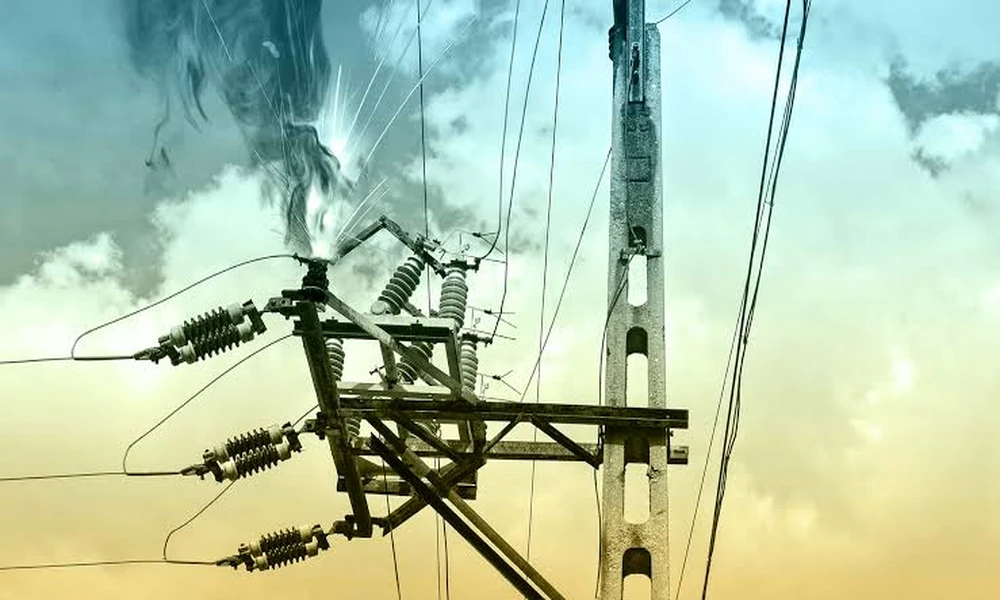

Power surges don’t just happen randomly-they follow a hidden daily schedule that puts your expensive electronics in the crosshairs. While a single massive spike can fry a motherboard instantly, thousands of micro-surges slowly degrade circuits over time. Protecting your home with a reliable Surge Protector (In Thai known as ‘เครื่องกันไฟกระชาก‘) requires knowing exactly when these invisible threats strike.
Early Morning Wake-Up (06:00 AM – 08:00 AM)
As whole neighborhoods wake up simultaneously, the power grid experiences a sudden, massive shock in demand. High-wattage resistive loads are activated all at once-water heaters pulling 3,000+ watts, hair dryers, coffee makers, and irons. This sharp increase causes localized voltage drops. When the utility grid automatically attempts to compensate and stabilize the voltage, or when these heavy appliances are suddenly turned off, it creates intense rebound voltage fluctuations. These early morning spikes easily wear down the delicate power supplies in your computers and smart home devices.
Late Afternoon Storms (03:00 PM – 06:00 PM)
In tropical and highly humid climates, late afternoon is prime time for severe thunderstorms. A lightning strike doesn’t even need to hit your house directly to cause catastrophic damage. Lightning hitting a nearby utility pole or substation can inject millions of volts into the power lines, traveling rapidly into your home’s electrical panel. These atmospheric surges are incredibly violent and can easily bypass standard, cheap power strips, instantly melting the motherboards of plugged-in TVs, gaming consoles, and routers.
Evening Peak Load (06:00 PM – 09:00 PM)
This is the grid’s maximum stress test. As residents return home, electricity demand maxes out with the simultaneous activation of air conditioners, large televisions, lighting networks, and electric cooking appliances. To prevent brownouts, utility companies often step up voltage delivery. The heavy, fluctuating strain on the local grid during these hours makes transient voltage spikes highly probable. Any sudden drop in load-like an entire block’s AC compressors cycling off at similar times-can send a shockwave of excess energy directly into your outlets.
Midnight Grid Maintenance (Midnight – 04:00 AM)
The quietest hours of the night are paradoxically some of the most dangerous for your electronics. Utility companies use this off-peak period to perform routine maintenance, which includes grid switching, load shedding, and capacitor bank adjustments. Transferring electrical loads between substations causes abrupt changes in the flow of electricity, generating silent but potent power surges. Since most devices are left plugged in on standby mode overnight, they absorb these off-peak electrical shocks while you sleep.
The Hidden Internal Threat (24/7)
While external threats are severe, up to 80% of all power surges actually originate from within your own home’s wiring. This happens constantly throughout the day and night due to motor-driven appliances. Every time an AC compressor, refrigerator, or high-pressure water pump cycles on, it demands a massive inrush of current. When it shuts off, the magnetic field in the motor collapses, blasting a short, repetitive energy spike (back-EMF) back into the household circuit. These micro-surges slowly and invisibly degrade the sensitive microchips in your electronics over months or years.
Power surges are a constant, silent threat to your electronics that extends far beyond typical afternoon thunderstorms. These invisible risks occur during massive power draws in the early mornings and evening peak hours, midnight utility grid switching, and even from within your own walls-over 80% of surges are triggered simply by your AC compressors and water pumps cycling on and off. Installing a high-quality Surge Protector from Chuphotic provides a crucial layer of defense, effectively filtering out erratic voltage spikes at all hours and preventing the premature failure of your most valuable devices.


