
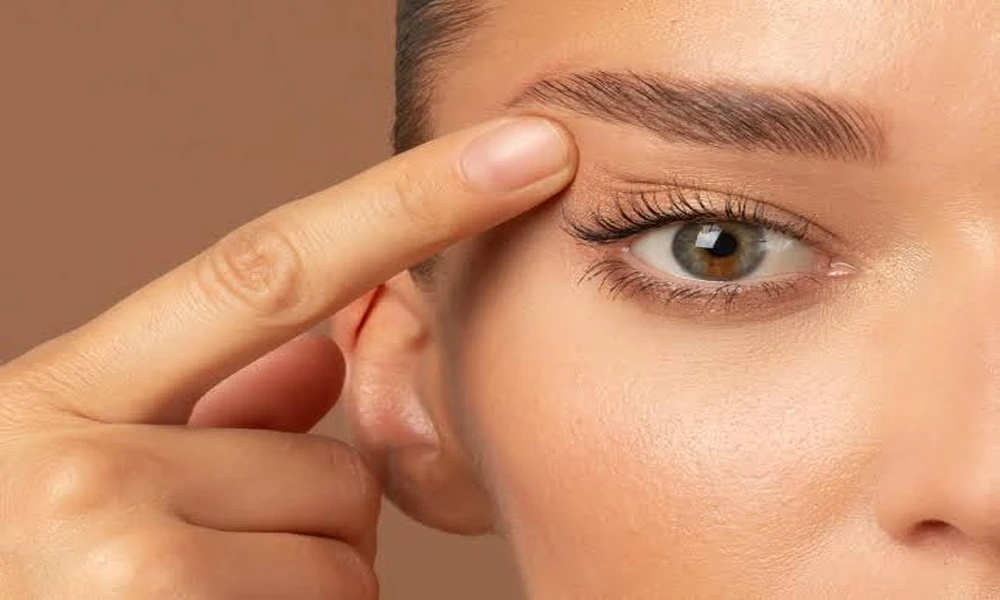

Learn what causes asymmetrical eyelids, when surgery may be considered, and which non-surgical or surgical options a doctor may recommend after evaluation.
Having asymmetrical eyelids is more common than many people realize. One eyelid may have a higher crease, a deeper fold, more visible skin, or a slightly different shape from the other, and these differences may be present naturally or develop over time.
Importantly, uneven eyelids do not automatically mean that surgery is necessary. The appropriate approach depends on the cause of the asymmetry, how noticeable it is, whether it affects vision or eyelid function, and what the individual would like to improve. A medical evaluation can help determine whether observation, a non-surgical approach, or surgery may be considered.
Why Do Asymmetrical Eyelids Occur?
Several factors can contribute to differences between the two eyelids. In many cases, asymmetry is simply part of normal facial anatomy because the two sides of the face are rarely completely identical.
Natural Differences in Eyelid Anatomy
Some people naturally have different eyelid crease heights, amounts of eyelid fat, skin thickness, or eyebrow positions. These structural differences can make one eye appear larger, smaller, more open, or more hooded than the other.
Natural eyelid asymmetry does not necessarily indicate a medical problem. If the difference is mild and does not interfere with vision or eyelid movement, treatment may not be required.
Eyelid Muscle Function
The muscles responsible for lifting the upper eyelids may not function equally on both sides. When one eyelid sits lower than the other, a doctor may evaluate whether ptosis, or drooping of the upper eyelid, is contributing to the difference.
The degree of drooping, eyelid muscle strength, pupil position, and visual function may all be assessed before an appropriate treatment plan is discussed.
Previous Eyelid Surgery
Asymmetry may also occur after previous double-eyelid surgery or other procedures around the eyes. Differences can result from scar tissue, crease placement, tissue removal, healing patterns, or differences in eyelid muscle function.
However, early asymmetry after surgery does not always mean that revision is needed. Swelling and tissue healing can temporarily make the eyelids appear uneven, so the appropriate timing for reassessment depends on the individual case and the doctor’s evaluation.
Changes Associated With Aging
Over time, skin elasticity, eyelid fat, eyebrow position, and supporting tissues can change differently on each side of the face. This may make an existing difference between the eyelids more noticeable.
A doctor will generally consider whether the apparent eyelid asymmetry is actually caused by the eyelids themselves or partly related to eyebrow position and surrounding facial structures.
Do Asymmetrical Eyelids Always Need Surgery?
No. Surgery is not automatically required simply because the eyelids look different.
For mild asymmetry that does not cause functional concerns, some people may choose not to undergo any treatment. Others may seek medical advice because the difference becomes more noticeable in photographs, when applying makeup, or when opening the eyes.
For people researching ชั้นตาไม่เท่ากัน (asymmetrical eyelids), the most important first step is to identify the underlying cause rather than deciding on a particular procedure based only on appearance. Treatment should be planned individually after examining eyelid structure, crease position, muscle function, skin, and previous treatment history.
What Are the Treatment Options for Asymmetrical Eyelids?
The appropriate option varies according to the cause and degree of asymmetry. Some cases may require only observation, while others may involve non-surgical management or an eyelid procedure.
Observation Without Treatment
If the difference is small, stable, and does not interfere with vision or eyelid function, a doctor may recommend observation rather than treatment. This may also be appropriate when asymmetry is primarily related to natural differences between the two sides of the face.
For individuals who have recently undergone eyelid surgery, allowing sufficient time for swelling and tissue changes to settle may also be part of the evaluation process.
Makeup and Temporary Cosmetic Techniques
For mild cosmetic asymmetry, makeup techniques can sometimes help create the appearance of more balanced eyelid creases. Eyelid tape or eyelid glue is also used by some individuals to temporarily alter crease appearance.
These methods do not correct the underlying anatomical cause, and repeated use may irritate sensitive eyelid skin in some people. Anyone experiencing redness, discomfort, or persistent irritation should stop using the product and seek appropriate medical advice.
Double-Eyelid Surgery
If the asymmetry involves differences in eyelid crease height, depth, or definition, a doctor may consider double-eyelid surgery depending on the individual’s anatomy and treatment goals.
Planning may involve adjusting the crease position or addressing differences in skin and underlying tissue. The same surgical technique is not necessarily performed identically on both eyes, because each eyelid may have different anatomical characteristics.
Ptosis Correction
When one eyelid is lower because of reduced eyelid-opening muscle function, simply changing the eyelid crease may not address the primary cause. In this situation, a doctor may evaluate whether ptosis correction should be considered.
Assessment typically focuses on the degree of eyelid drooping, muscle function, eye-opening ability, and whether vision is affected. The treatment approach depends on the findings of the medical examination.
Revision Eyelid Surgery
People who have previously undergone eyelid surgery may sometimes consider revision if persistent asymmetry remains after appropriate healing. Revision planning can be more complex because scar tissue, previous tissue removal, crease formation, and eyelid muscle function need to be evaluated together.
A doctor may therefore recommend waiting until the tissues have healed sufficiently before determining whether further treatment is appropriate.
When Should You Consult a Doctor?
A medical assessment may be useful when eyelid asymmetry becomes noticeably different from before, affects the ability to open one eye, interferes with vision, or develops after previous eyelid surgery.
Sudden eyelid drooping, especially when accompanied by double vision, weakness, severe headache, or other neurological symptoms, should be medically evaluated promptly, as it may have causes unrelated to cosmetic eyelid anatomy.
For cosmetic concerns, consultation allows the doctor to distinguish between differences caused by the eyelid crease, skin, fat, muscle function, eyebrow position, or previous surgery. This helps avoid choosing a treatment that does not address the actual source of the asymmetry.
What Should Be Evaluated Before Eyelid Treatment?
Before considering an eyelid procedure, a doctor may assess several factors, including:
– Eyelid crease height and shape
– Upper eyelid skin and fat distribution
– Eyelid-opening muscle function
– Eyebrow position
– Differences between the left and right eye
– Previous eyelid procedures and scar tissue
– Visual function and eye-opening ability
– Individual expectations and treatment goals
The goal of this assessment is not necessarily to make both sides perfectly identical. Human faces naturally contain some degree of asymmetry, and the treatment plan should take the individual’s anatomy and medical indications into account.
Conclusion
Asymmetrical eyelids (ชั้นตาไม่เท่ากัน) do not always require surgery. Mild differences may simply reflect normal facial anatomy, while other cases may involve eyelid crease differences, muscle function, aging-related changes, or the effects of previous surgery.
The most appropriate solution depends on identifying the underlying cause through an individual medical assessment. Options may range from observation and temporary cosmetic techniques to double-eyelid surgery, ptosis correction, or revision surgery when clinically appropriate. Results and recovery can vary between individuals, and any procedure should be considered after consultation with a qualified medical professional.
“Confidence is the most beautiful thing you can possess.” At Dr. Vii Clinic, care focuses on eyelid surgery and the assessment of revision cases, with careful attention throughout each stage of treatment planning. Each case is evaluated individually with the aim of selecting an approach that is appropriate for the person’s facial structure, eyelid anatomy, and personal concerns, while supporting an appearance that reflects their own sense of confidence.


