
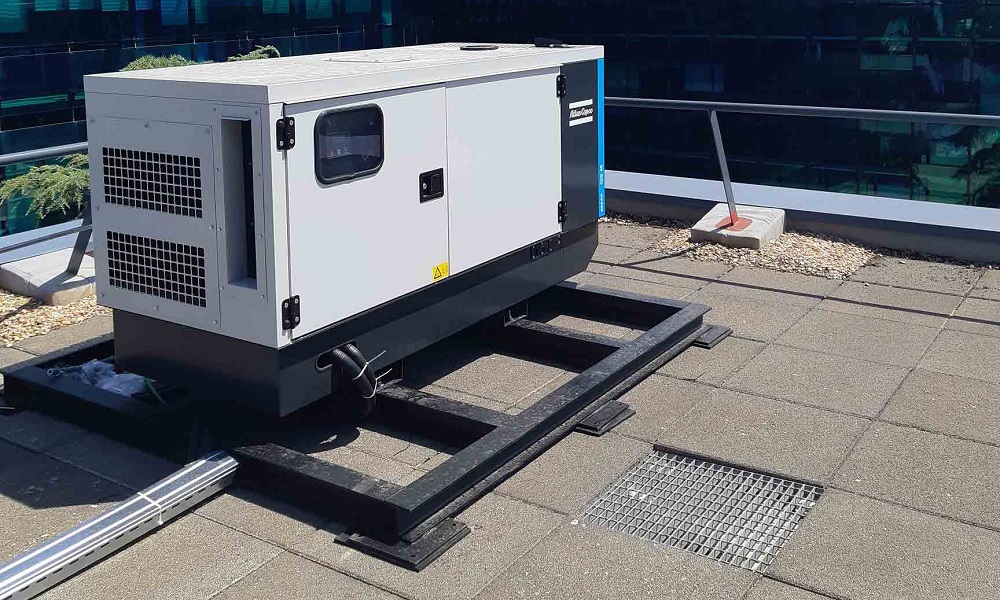

A reliable backup source is crucial during power outages. The right generator ensures continuous home, business, or outdoor power. Choosing between a portable unit and a standby system requires careful consideration, as each has unique benefits. Evaluating key factors helps determine the best option for uninterrupted electricity when it matters most.
For those who require a dependable energy solution, determining whether a portable or a standby generator is the right fit depends on specific needs, budget, and intended use. Considering key factors like power capacity, installation requirements, and fuel efficiency can help narrow down the best option. Below are five critical aspects to remember before choosing the ideal backup power source.
1. Power Requirements and Usage
Understanding energy needs is the first step in selecting the right backup unit. A smaller, transportable generator typically provides enough electricity to run essential appliances and small tools. This makes it ideal for occasional use, such as powering a few devices during an outage or providing energy for an outdoor event.
A stationary unit is designed for long-term, automatic backup. It connects directly to the electrical system and can handle the full load of a home or business, making it the better choice for those who need seamless power restoration. Calculating wattage needs ensures choosing the best option for appliances.
2. Installation and Setup
A significant difference between these generators is installation. A mobile unit requires little setup and can be moved as needed. Users plug in appliances or connect to a transfer switch but must start it manually during outages.
A stationary system requires professional installation and connects directly to the electrical panel. It turns on automatically when power is lost, offering a hassle-free solution for homes and businesses. Though installation is more complex, the convenience of uninterrupted backup often makes it a preferred choice.
3. Fuel Source and Efficiency
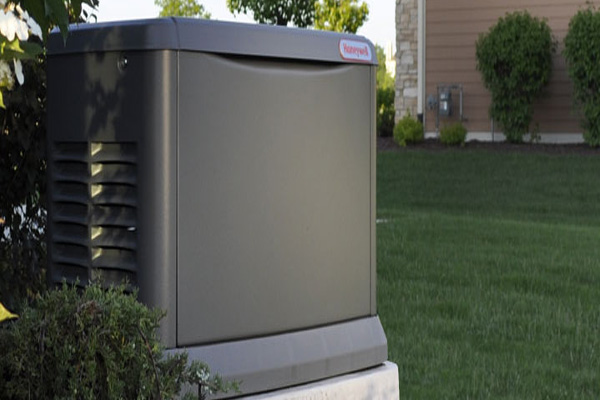
Fuel type affects a generator’s cost and efficiency. Mobile units often use gasoline, which is easy to find but needs frequent refueling. Some models run on propane or diesel for added flexibility.
Fixed systems typically use natural gas or liquid propane, ensuring a steady fuel supply without manual refueling. Though reliable, they may require a gas line. Evaluating fuel availability and efficiency will help determine the best option for consistent power backup.
4. Maintenance and Longevity
Regular upkeep is crucial for any backup power system. A transportable unit needs periodic maintenance, such as checking fuel levels, cleaning filters, and testing functionality before emergencies. Since they are used less often, extra care helps prevent failures.
A stationary system is more durable but still requires servicing. Many models feature self-testing, ensuring they’re ready when needed. Regular inspections and maintenance extend generator lifespan, prevent breakdowns, and ensure reliable power during outages.
5. Cost and Budget Considerations
Price is a key factor when selecting a backup power solution. A portable unit costs less upfront, making it ideal for those on a budget, but ongoing fuel and maintenance expenses add up over time. A permanent system requires a higher initial investment due to installation and fuel connection but offers automatic operation and reliability.
It can be a smart long-term choice for those facing frequent outages or needing consistent power for business. Weighing both short-term and long-term costs helps in making the best financial decision.
Reliable Power Solutions for Every Need
A reliable power supply is essential for homes and businesses. Choosing the right backup system means selecting the best model and working with experts who provide guidance, installation, and maintenance. With professional support, finding an efficient energy solution becomes more effortless. A trusted provider can assess power needs, recommend the ideal option, and ensure long-term reliability, keeping power outages from becoming a significant concern.
Whether for emergency preparedness, business continuity, or outdoor use, choosing between a portable or a standby generator depends on multiple factors, including power needs, budget, and long-term reliability. While a smaller unit offers flexibility and lower costs, a fixed system provides automatic backup and greater power capacity. Carefully weighing these considerations will help select the best option for uninterrupted electricity when it matters most.


